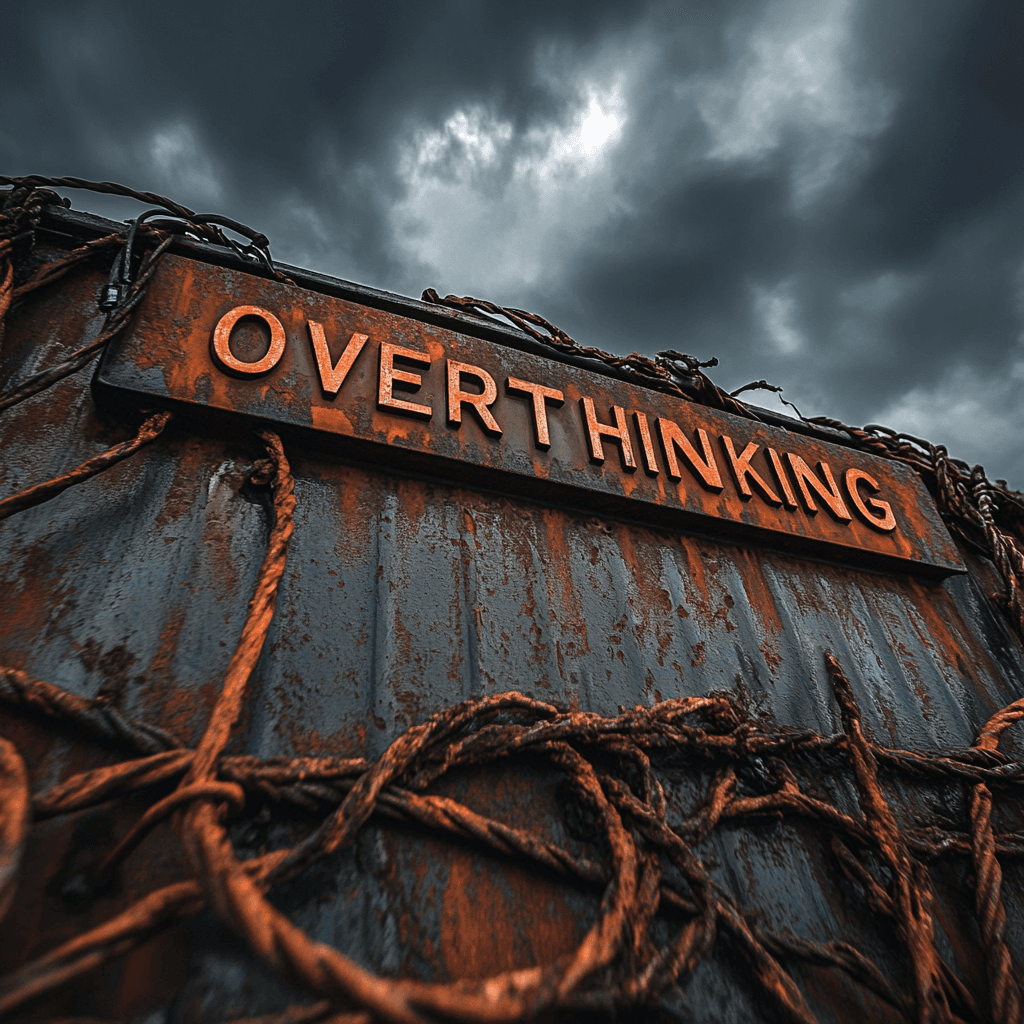
There's a version of self-awareness that turns into self-prosecution.
You read the books, do the work, get really good at naming your patterns — and then use that knowledge to build an airtight case against yourself. I do this. I always do this. I've been doing this for thirty years and clearly I'm never going to stop.
That isn't growth. That's just blame with better vocabulary.
The difference between broken and unfinished
The difference between someone who is broken and someone who is unfinished is not the size of their damage. It's what they believe about whether change is possible.
Broken is a verdict. Unfinished is a status.
And here's the uncomfortable truth: you don't get to opt out of being unfinished. Nobody does. The most psychologically evolved person you know is still mid-sentence. Still revising. Still discovering things about themselves at 3am that they'd rather not know.
Being unfinished isn't a flaw in the design. It is the design.
Why we prefer the verdict
Paradoxically, deciding you're broken can feel like relief.
If you're broken, the pressure is off. You don't have to keep trying something that might not work. You have an explanation for all the ways things have gone wrong, and explanations — even terrible ones — are soothing.
There's also something strangely comfortable about the permanence. Change is uncertain. Brokenness is at least stable.
But it's a trap with very comfortable furniture.
What unfinished actually requires
Accepting that you're unfinished rather than broken requires tolerating two things most people find deeply uncomfortable:
Uncertainty. You don't know yet who you'll be or what you're capable of. You can't fast-forward to the part where you've figured it out. You just have to keep going with incomplete information, which is — to be honest — completely exhausting.
Effort without guarantees. Working on yourself doesn't come with a warranty. You can do everything right and still have hard days. You can grow enormously and still sometimes act like the person you were trying not to be. That's not failure. That's human.
The goal isn't to finish. The goal is to keep revising honestly.
A more useful question
Instead of why am I like this? — which tends to spiral — try what is this like for me right now?
Not an excavation. Not a prosecution. Just a noticing.
What's actually happening in your body? What emotion is underneath the story you're telling? What do you need right now that you're not giving yourself?
Those questions won't fix you. Nothing will fix you, because you're not broken. But they might help you take the next step — imperfect, uncertain, and genuinely yours.