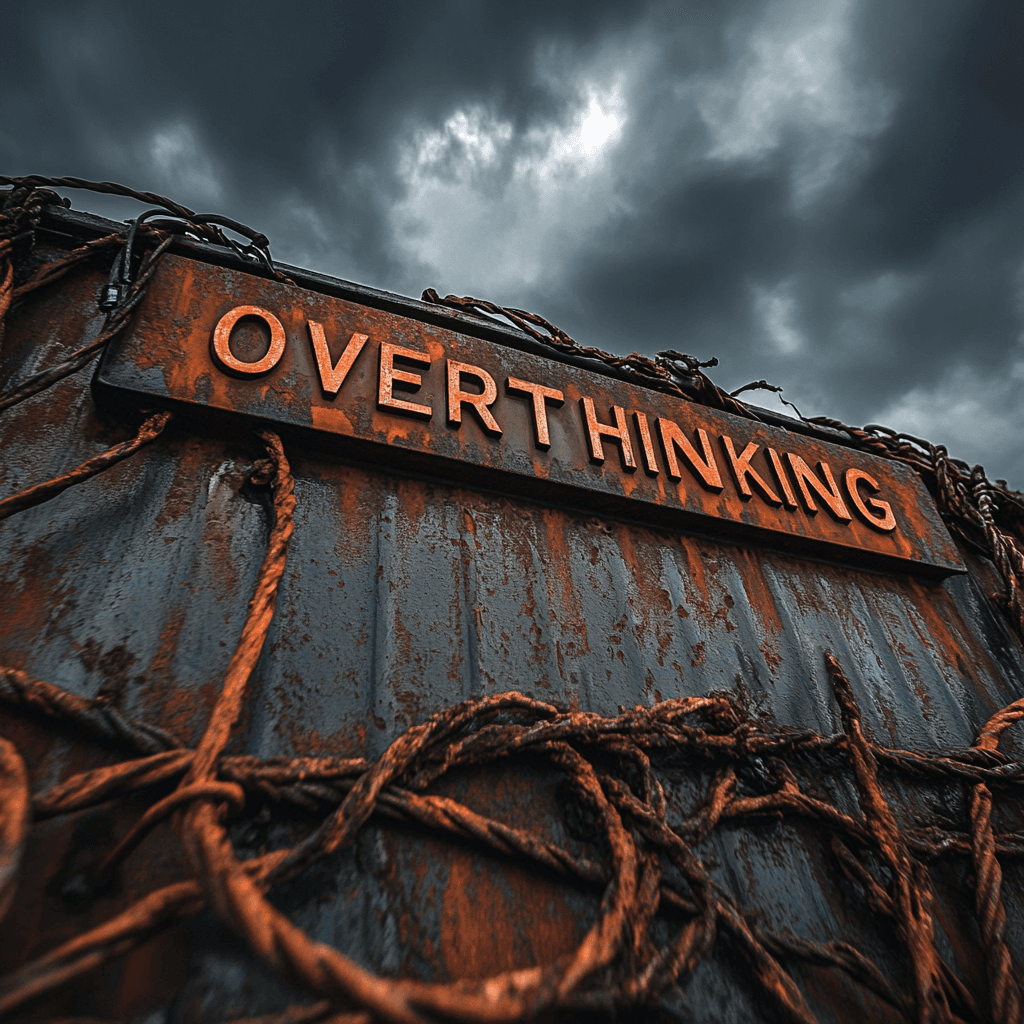
At some point in examining your own history, you will notice a pattern so obvious it's almost embarrassing.
The same kind of relationship, different name. The same moment where you back down, different context. The same choice at the fork in the road — always the familiar path, always with a slightly different justification for why this time it makes sense.
Patterns in choices are not bad luck. They're not coincidence after the second or third occurrence. They're information — about a belief you're operating from, a wound that's still running, or a payoff you're getting that you haven't quite admitted to yourself yet.
The three reasons you repeat choices
You believe the same things. Choices flow from beliefs. If you believe, somewhere beneath awareness, that you're not quite worthy of the thing you want — the good relationship, the ambitious goal, the life that actually fits — then each choice point becomes a referendum on that belief, and the belief votes consistently. You choose what you believe you deserve, which isn't always what you want.
You're replaying a familiar dynamic. There's a version of repeated choices that's less about what you want and more about what feels like home. The emotionally unavailable partner. The workplace that mirrors the family dynamic. The pattern that replicates something old because the old thing never got resolved and the psyche keeps presenting you with the opportunity to get it right this time.
It rarely gets right this time, through the same dynamic. But the pull is powerful and often invisible.
There's a payoff you haven't named. This is the one people find hardest to look at. Every repeated pattern has something it's giving you, even when it's also costing you. Staying in situations you've outgrown gives you safety from the unknown. Not trying for the thing you want protects you from the evidence that you couldn't have it. Playing small keeps you from being seen.
The payoff isn't worth the cost. But it's real. And you can't walk away from it until you've named what it is.
The audit
A useful — and slightly confronting — exercise is to look at a pattern and ask not "why did this happen to me?" but "what did this choice give me?"
Not in a self-blaming way. In a genuinely curious one. What did staying in that situation provide? What would have been lost if you'd done it differently? What does this pattern protect you from having to do?
The answers are usually more honest than you expect, which is why most people don't ask the questions.
The pattern is not evidence that you're broken. It's evidence that something hasn't been examined yet. Those are very different things.
The part where things could change
Patterns change when the belief changes, when the original wound gets some actual attention, or when the payoff stops being worth the cost.
None of these happen through willpower alone. Deciding to make different choices without addressing what's driving the current ones is like deciding to take a different route when you don't yet know what road you're on.
The first step is observation. Before the change, the noticing. Before the different choice, the honest look at why you keep making this one.
The pattern showed up to tell you something. It's been very persistent about it.
At some point, it might be worth listening.