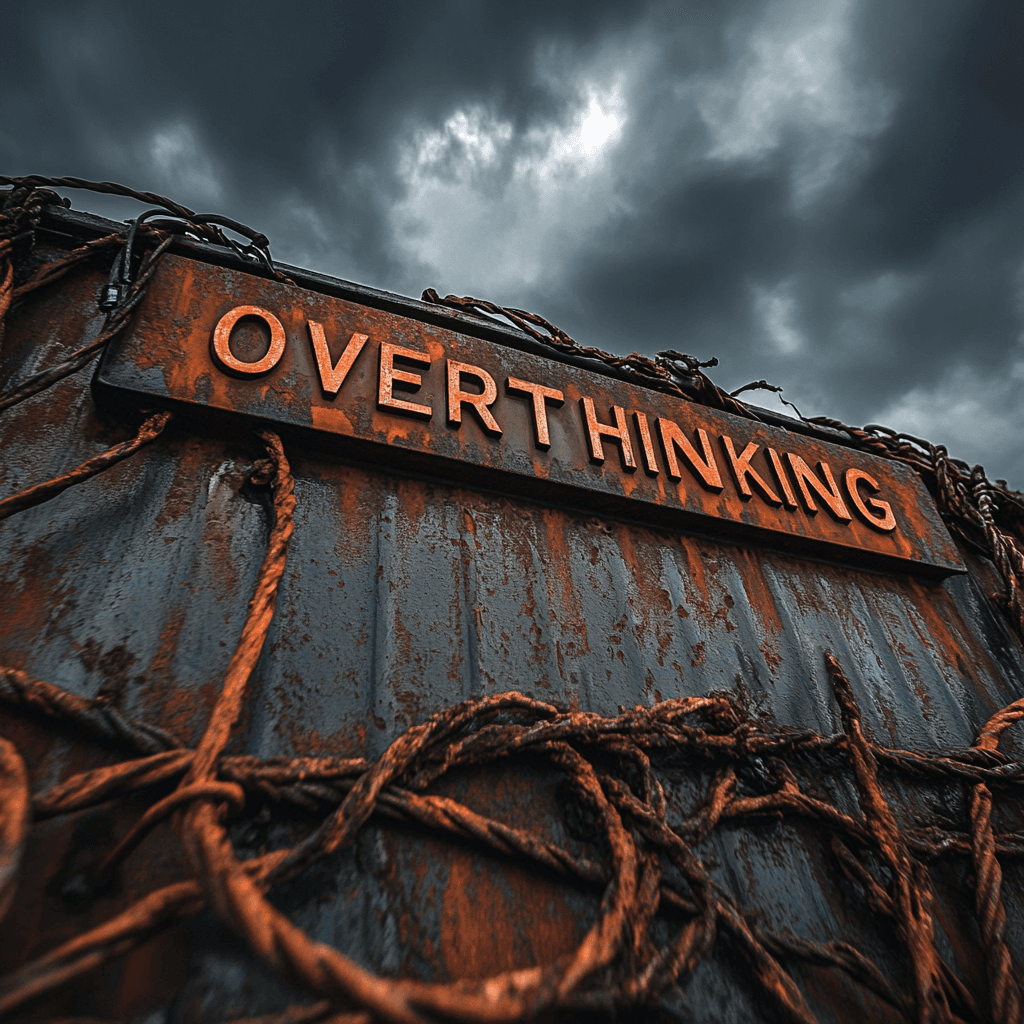
Self-Sabotage 101: How to Quit Hitting the Undo Button on Your Life
Why We Keep Tripping Ourselves Up (And How to Finally Stop)
We’ve all been there. You set a goal, feel pumped, and then—BAM—you do the exact opposite. Skip the gym, demolish the ice cream tub, ghost a friend, or procrastinate on that career move. Welcome to the wonderfully messy world of self-sabotage. Before you dive headfirst into guilt, let’s take a closer look at why your brain sometimes seems hell-bent on ruining your own fun.
The Brain Behind the Chaos
Self-destructive behavior is surprisingly common, and it’s not because you’re weak or weird—it’s hardwired. Psychologists point to a mix of the amygdala (your brain’s overzealous fear alarm), the prefrontal cortex (the decision-making HQ that sometimes calls in sick), and the dopamine system (the brain’s pleasure highway).
When we sabotage ourselves, it’s usually a cocktail of:
Fear of failure – Ironically, avoiding success can feel safer than risking it. Your brain likes the familiar, even if familiar equals pain.
Low self-worth – Deep down, you might feel you “don’t deserve” good things. So, naturally, you trip yourself up before anyone else can.
Comfort in chaos – Some brains thrive on stimulation. Self-sabotage can feel thrilling, even addictive.
Science even shows this can become a kind of Pavlovian conditioning: “I fail, I feel a weird mix of relief and excitement, repeat.” (Baumeister & Scher, 1988)
Self-Destruction as a Secret GPS
Here’s the twist: self-sabotage isn’t just a problem—it’s a message. It’s your brain waving a neon flag screaming, “Hey, pay attention to this part of your life, genius!”
Look closer, and self-destructive behaviors reveal:
Hidden fears – What are you really afraid of achieving?
Unmet needs – Are you ignoring your emotional, physical, or social requirements?
Patterns worth breaking – Spotting triggers is half the battle.
Think of it like your inner GPS yelling, “Recalculating… recalculating… genius, are you awake?”
How to Interrupt the Cycle
- Awareness is power – Journaling, reflection, or mindfulness can help you notice the pattern. Simply spotting it reduces its hold.
- Pause and interrogate – Before acting, ask: “Why do I really want this?” or “What fear am I running from?”
- Replace, don’t punish – Swap the self-destructive habit with a small, positive action. Skip the marathon—try a five-minute stretch. The brain loves rewards more than guilt.
- Celebrate small wins – Dopamine adores tiny victories. Every small success retrains your brain to associate growth with pleasure, not punishment.
- Seek support – Bravely talking it out with a friend, coach, or therapist can help interrupt the self-sabotage loop.
The Fun, Slightly Selfironic Part
Here’s the ironic twist: your self-sabotaging tendencies are actually gifts in disguise. They’re like a secret cheat code pointing out exactly where your life needs attention. Decode them, and you can turn chaos into insight, mistakes into lessons, and your brain’s sabotage into a surprisingly playful roadmap for growth.
So next time you catch yourself hitting the snooze button on life, remember: your brain isn’t evil—it’s just miscalibrated. With curiosity, self-awareness, and a sprinkle of self-love, you can turn those faceplants into stepping stones… or at least into a mildly entertaining story you tell at parties.