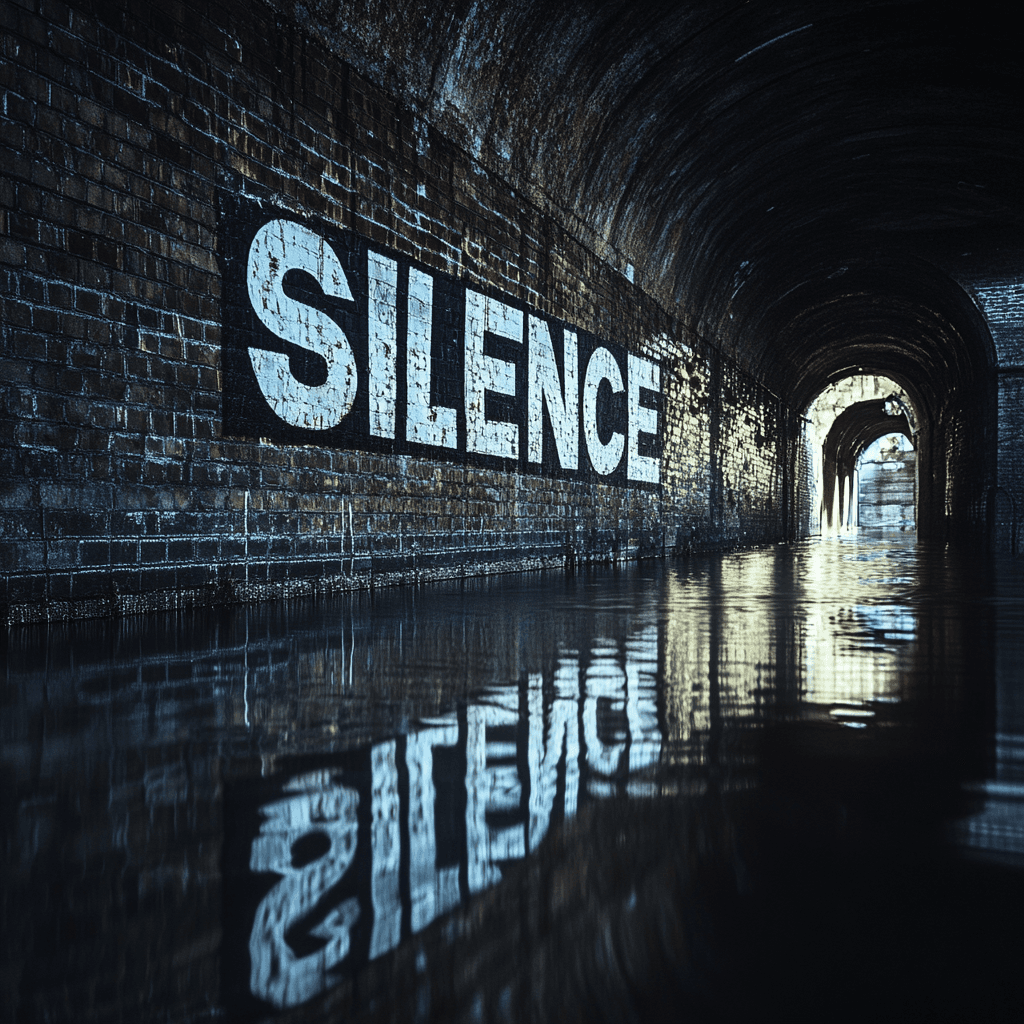
Most people treat silence as an absence — something to fill, fix, or escape from.
A commute without a podcast feels like wasted time. A meal alone without a phone feels vaguely sad. A moment with nothing to do immediately becomes a moment to scroll, message, optimise, achieve.
We are extraordinarily good at keeping ourselves from being alone with ourselves.
Why silence is threatening
Silence gives thoughts space to arrive that you've been successfully outrunning.
The thing you're avoiding thinking about? It lives in the silence. The decision you've been postponing? It surfaces when the noise stops. The feeling underneath the busyness — the one you can sense but haven't quite let yourself name — it waits there, patient, with all the time in the world.
This is why so many people find meditation difficult, not because it's technically hard, but because sitting quietly means your actual life shows up.
And sometimes your actual life is uncomfortable to look at.
Silence as information
Here's a reframe worth trying: what if silence isn't empty space to be filled, but information you haven't decoded yet?
The restlessness you feel when things go quiet — that's data. What does it feel like, exactly? Where does it live in your body? What thoughts are trying to surface through it?
The relief you feel when you finally do sit quietly — what loosens? What settles? What do you notice that you hadn't let yourself notice before?
Silence isn't the absence of something to say. It's often the presence of something too important to rush.
What tends to live in the quiet
In my experience — and in a fairly consistent body of psychological research — what tends to emerge in genuine silence is:
Clarity about what you actually want, as distinct from what you think you should want or what would be most convenient to want right now.
Unprocessed emotion — grief, anger, tenderness, fear — that's been waiting for a gap in the schedule to be acknowledged.
The low hum of your actual values, which are often quieter than your ambitions and easier to drown out.
Creative thought, which doesn't arrive on command but does arrive when you stop demanding it and start making room for it.
A practice that's not quite meditation
If sitting in formal silence feels like too much, try this: the next time you're doing something genuinely mindless — washing dishes, walking without headphones, folding laundry — resist the urge to fill it.
Don't think productively. Don't problem-solve. Just let whatever comes up come up.
Then notice what arrives. Not to fix it or act on it immediately. Just to see what was waiting.
The most useful things you learn about yourself rarely arrive during the busy parts. They come in the pauses — if you leave any.