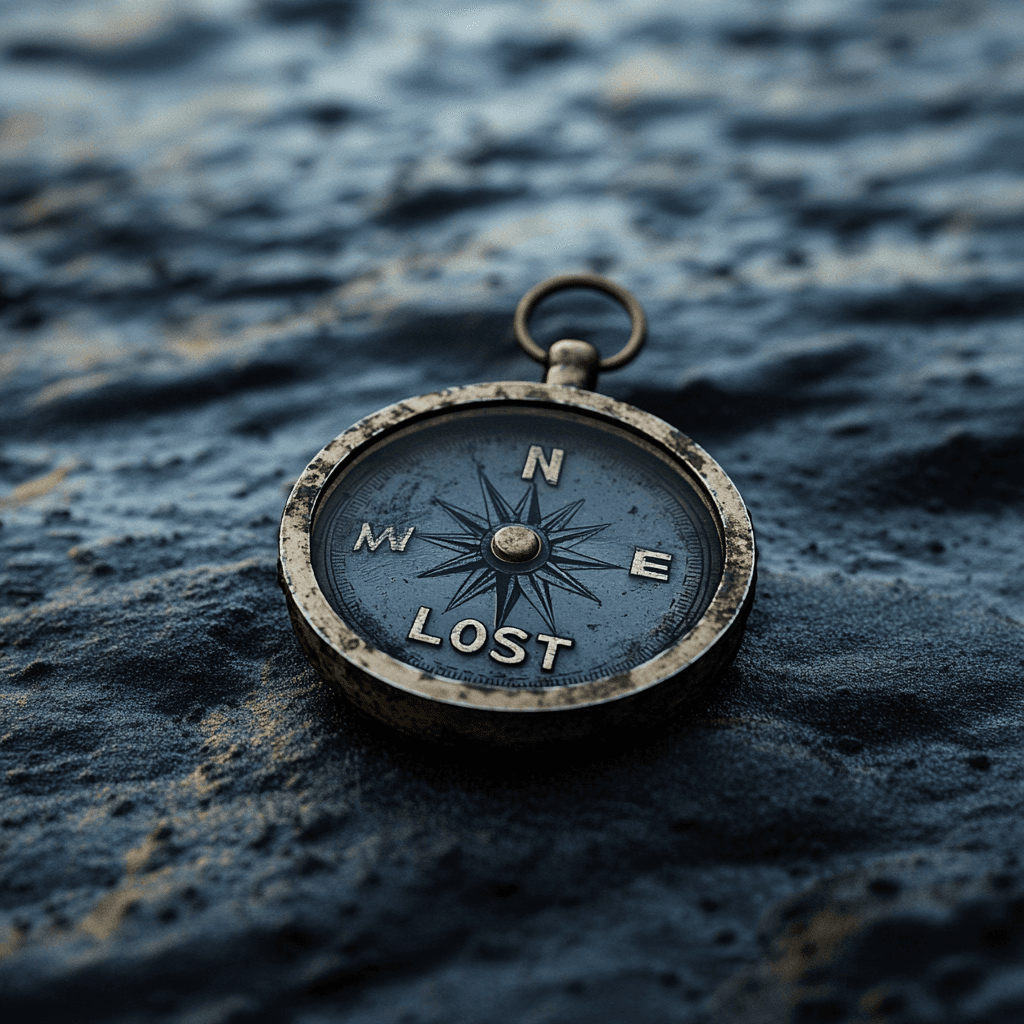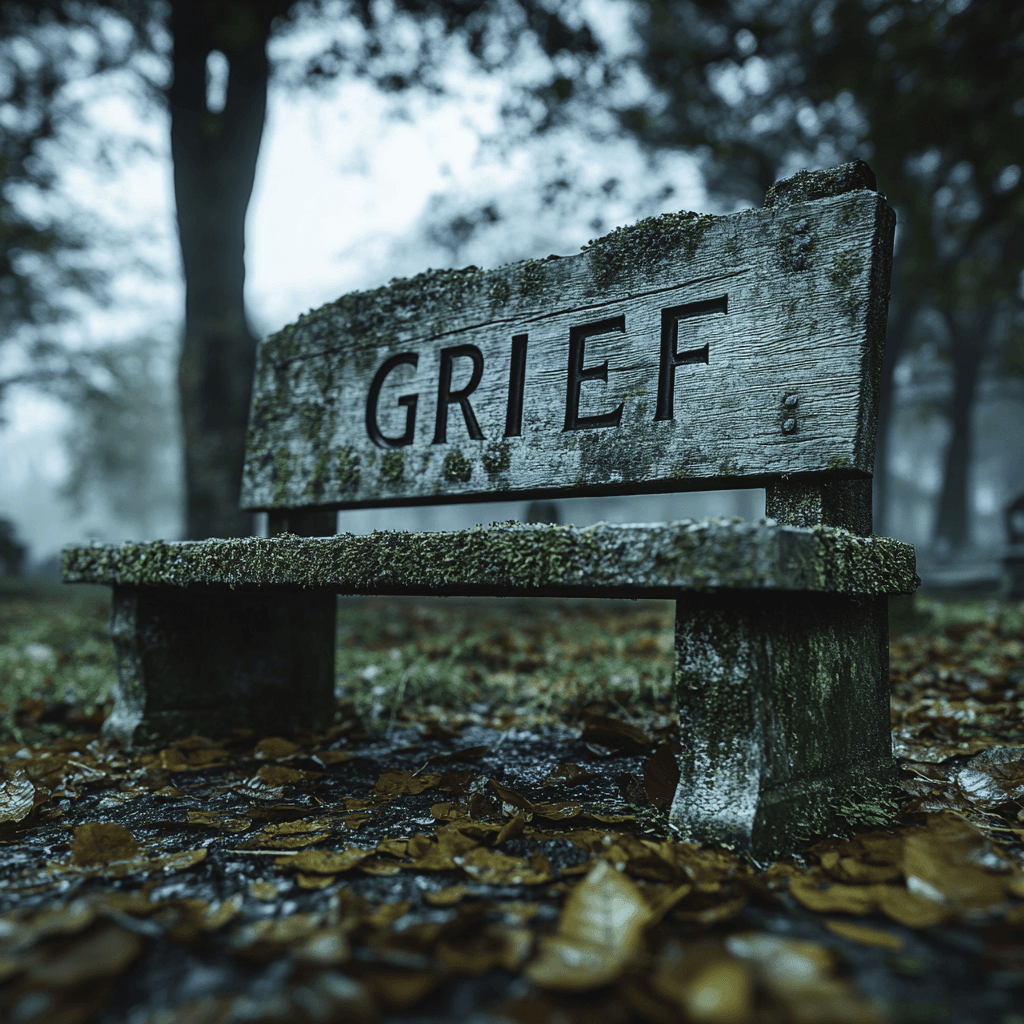
There are losses that don't come with condolence cards.
The job you didn't get. The friendship that quietly dissolved. The version of your life you'd planned on. The relationship that ended not with a bang but with a long, sad silence. The parent who was physically present but never quite there.
No one organises a meal train for these. There's no formal period of mourning, no socially sanctioned way to fall apart. You're expected to process it quietly, learn something useful from it, and get back to being functional within a reasonable timeframe.
Why unvalidated grief is so corrosive
When a loss doesn't get named as a loss, it tends to go underground.
You don't grieve it. You just... carry it. Often without realising that's what you're doing. It shows up as a low-grade flatness. A disproportionate reaction to something small. A tenderness in a place you can't quite locate.
Grief that isn't witnessed doesn't disappear. It just becomes part of the furniture — so familiar you stop noticing it's there. Until something nudges it and suddenly you're crying over a TV commercial and you're not entirely sure why.
The hierarchy of acceptable grief
We have a very narrow cultural vocabulary for what counts as a "real" loss.
Death: yes. Divorce: mostly yes, with caveats. Job loss: acceptable, briefly. The dissolution of a close friendship: not really. The end of a version of yourself: almost never.
This hierarchy isn't based on how much something actually hurts. It's based on how visible the loss is, how socially legible the pain is, and — often — how uncomfortable it makes other people.
Your grief doesn't need external validation to be real. It needs your own.
What it means to witness your own loss
Witnessing your own grief doesn't require a ritual or a therapist (though both can help). It requires something simpler and harder: acknowledgement.
Not performing sadness. Not forcing yourself to feel more than you do. Just naming what happened.
Something I had, or hoped for, or believed in — is gone. That's real. That's a loss. It's allowed to hurt.
That's it. That's often enough to start with.
The loss doesn't shrink immediately. But it changes shape when you look directly at it. It becomes something you're carrying consciously rather than something that's carrying you without your knowledge.
You don't have to justify the size of your grief to anyone. Least of all to yourself.