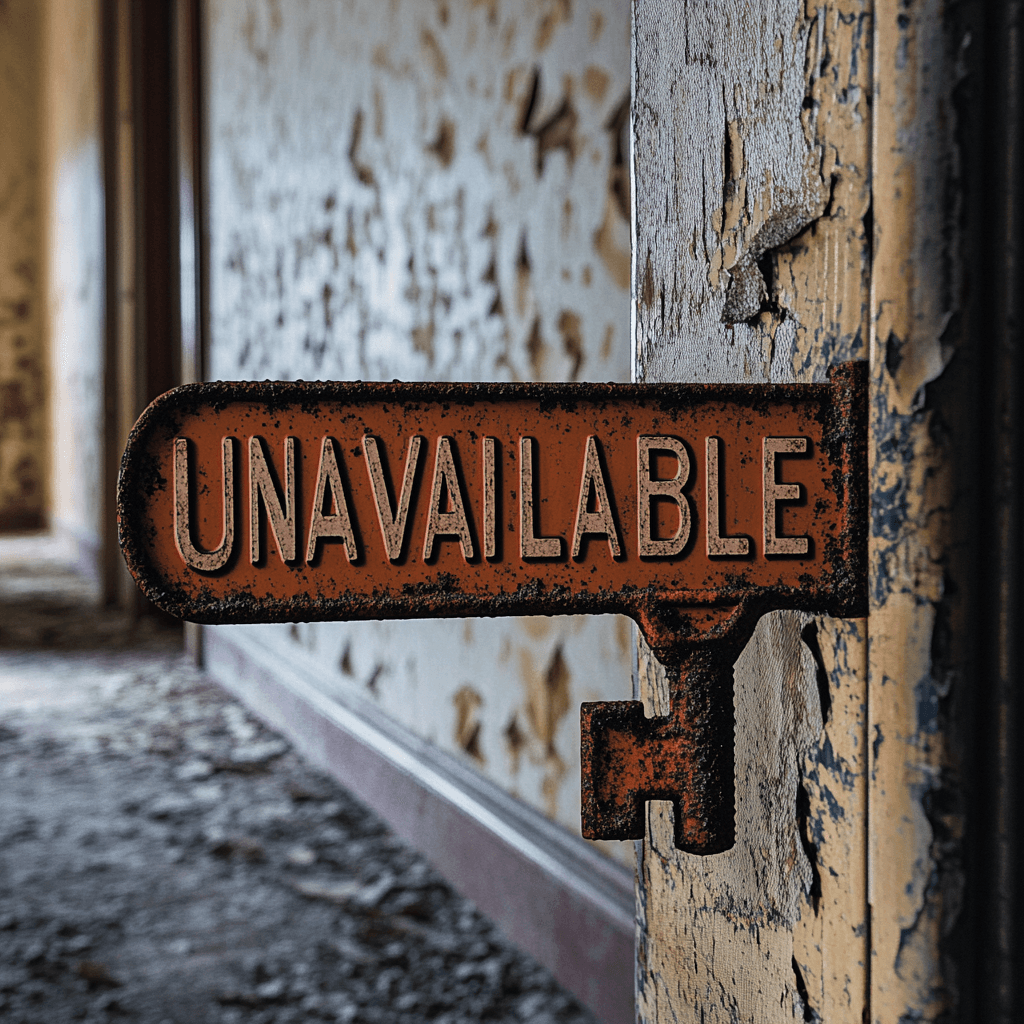
Signs You Are Emotionally Unavailable (And Not Just "Independent")
There's a particular kind of self-awareness that involves knowing you have a problem but refusing to connect it to yourself personally. You've probably nodded along to articles about emotionally unavailable people, thought of three ex-partners, and moved on with your day. Completely fine. Nothing to see here.
But what if — and stay with me here — what if some of those signs apply to you?
This isn't an accusation. It's an invitation to look at something most people spend enormous energy avoiding. Because emotional unavailability doesn't usually come with a warning label. It comes wrapped in perfectly reasonable-sounding explanations. "I'm just private." "I value my independence." "I don't like drama." All technically true. All potentially just... a very tidy story.
Let's get into it.
You're Great at Connecting — Right Up Until It Gets Real
Emotionally unavailable people are often fantastic company. Funny, interesting, easy to talk to. The issue isn't connection itself — it's depth.
If you notice that conversations flow brilliantly until someone goes somewhere vulnerable, and suddenly you become very interested in your phone or very focused on changing the subject — that's worth paying attention to.
The same goes for intimacy in relationships. Things feel good when they're light. When a partner starts asking for more — more presence, more honesty, more of you — something in you pulls the exit lever. Not dramatically. Just quietly. A little more distance. A little less availability. A suddenly very full schedule.
You're not running away. You're just... busy.
You Have Strong Opinions About Not Needing People
Independence is genuinely valuable. Nobody is arguing for codependency here.
But there's a version of "I don't need anyone" that isn't strength — it's a defense mechanism wearing strength's clothes. If the idea of needing someone makes you feel embarrassed, anxious, or faintly disgusted, that's data.
Signs you've crossed from healthy independence into something else:
- You feel privately superior to people who openly rely on their partners
- Asking for help feels like a personal failure
- You keep score on emotional reciprocity so you never end up "owing" anyone vulnerability
- You'd rather struggle alone than admit you're struggling
Needing people is not weakness. It's biology.
Humans are wired for connection. Somewhere along the way, a lot of us got the message that this wiring was a flaw. It wasn't.
Your Relationships Follow a Suspiciously Similar Pattern
This one requires some honesty.
If every relationship you've had ended for roughly the same reason — they wanted too much, they got too intense, they were too needy — there's a question worth sitting with. Is it genuinely a pattern of meeting the wrong people? Or are you drawn to situations that allow you to stay at a comfortable distance until closeness becomes unavoidable, at which point the whole thing conveniently falls apart?
Emotionally unavailable people often unconsciously choose partners who either mirror their unavailability or are available enough for both of them, which eventually becomes unsustainable.
You don't do this on purpose. That's the point. It's a pattern, not a plan.
Vulnerability Feels Like a Trap
Not dramatic vulnerability. Just ordinary, human, "here's something real about me" vulnerability.
If sharing how you actually feel — not the edited, presentable version, but the actual feeling — makes you feel exposed, foolish, or dangerously out of control, emotional unavailability is probably a factor in your life.
Common signs this is happening:
- You communicate feelings mostly through jokes or deflection
- You'll discuss your emotions in the abstract but rarely in the present tense
- When someone is vulnerable with you, your instinct is to fix it rather than sit with them in it
- You feel vaguely uncomfortable when people get too sincere
None of this makes you a bad person. It makes you someone who learned, at some point, that emotional openness wasn't safe. That lesson made sense then. It may be getting in your way now.
You're Busy. Extremely, Constantly, Conveniently Busy.
Busyness is one of the cleanest ways to stay emotionally unavailable without ever having to admit that's what you're doing.
If your schedule leaves no room for genuine presence — with a partner, with friends, with yourself — it's worth asking whether that's circumstance or architecture. Whether you've built a life that keeps you moving quickly enough that nobody, including you, can catch up.
Presence is uncomfortable when you're not used to it. Sitting with someone without an agenda. Being in a conversation without half your brain on the next thing. Letting a moment be what it is.
Busy is easier. Busy is also lonely in a way that's hard to name because you never slow down enough to feel it.
What Actually Happens When You Let Your Guard Down
Here's the honest truth: emotional unavailability almost always starts as a logical response to something that hurt.
You opened up and got burned. You trusted and got let down. You needed someone and they weren't there. So you adapted. You built something self-sufficient and sturdy and private. That was smart. That kept you safe.
The problem is that the same walls that kept the hurt out also keep everything else out. The good stuff. The actual intimacy. The moments that make the whole messy business of being human worth it.
Letting your guard down doesn't mean dismantling everything at once. It doesn't mean becoming a person who cries at dinner parties and shares their childhood wounds on a first date. It means, slowly and imperfectly, letting the distance become slightly smaller. Letting one real thing be said instead of the deflection. Staying in the room when the conversation gets uncomfortable instead of finding somewhere else to be.
It means noticing when you're pulling the exit lever — and occasionally, just occasionally, not pulling it.
That's it. That's the whole ask. Not transformation. Just a slightly smaller wall, held a little less tightly.
The people who are worth it will still be there on the other side of it. And if that thought makes you feel something — relief, fear, or that particular mix of both that means you've hit something true — then this article wasn't about three of your exes after all.